


 Phan Van Hoang
- 29/11/2020
- 2023
Perhaps you have come across many products made from wood plastic composite. This material offers a wide range of unique, durable, and aesthetically pleasing products. Let's learn more about what wood plastic composite (WPC) is.
Table of Contents [Hide]
1. What is wood plastic composite?
Wood plastic composite is a relatively modern material that is widely used in the construction of hotels, houses, restaurants, and many other projects. However, not everyone is familiar with this material.
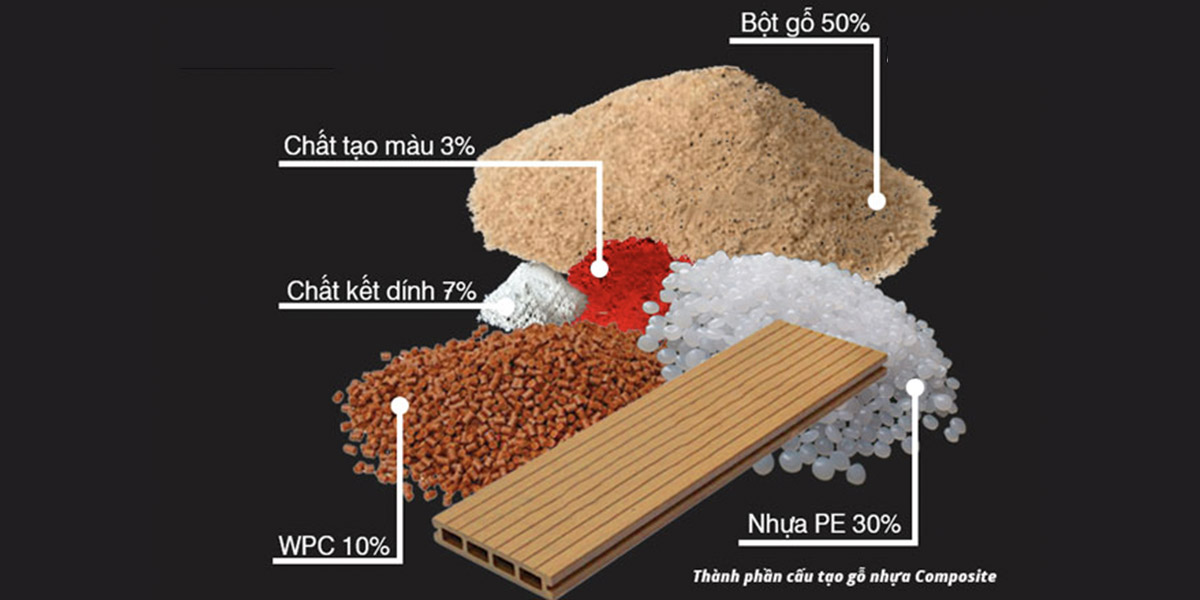
Wood plastic composite, commonly known as WPC (Wood Plastic Composite), is a composite material made from wood flour and plastic. In addition to plastic and wood powder, WPC may also contain cellulose-based or inorganic fillers and additives. Therefore, WPC is also referred to as a natural fiber-reinforced plastic composite material.
This material is mainly used outdoors and was developed to meet the growing demand for exterior decoration. Compared with natural wood, wood plastic composite is significantly more affordable, more durable, and capable of withstanding various weather conditions throughout the year, something that natural wood often struggles to achieve.
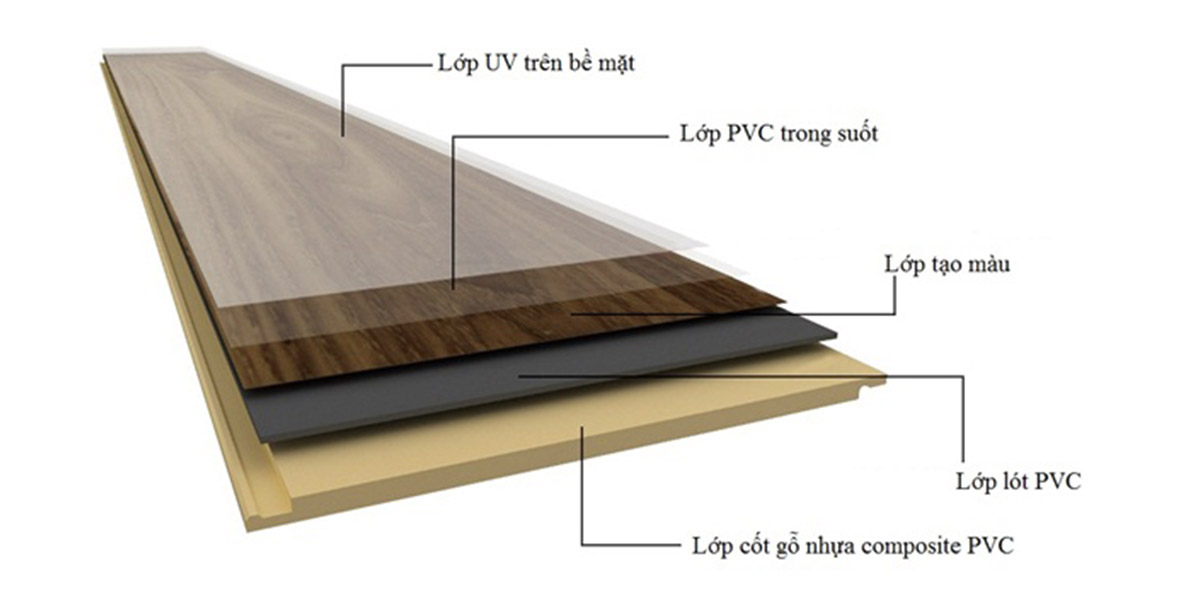
2. Characteristics of wood plastic composite
Outdoor wood plastic composite is highly appreciated for being environmentally friendly and safe for human use. Since it is made from sawdust, wood waste, and plastic, it can be easily shaped and colored according to customer requirements.
In addition, wood plastic composite has excellent resistance to sunlight and rain. It does not easily fade, warp, or deform and can maintain its quality for more than 20 years, providing long-term value.
Thanks to its composition, wood plastic composite is generally more affordable than natural wood while offering greater durability for outdoor applications and better resistance to harsh weather conditions.
Currently, there are five common thickness options available on the market: 5 mm, 8 mm, 12 mm, 15 mm, and 18 mm. A standard composite board size is approximately 1220 × 2440 mm.
3. Advantages and disadvantages of wood plastic composite
Advantages
Because it is produced from a combination of wood powder, plastic, and bonding additives, wood plastic composite offers many outstanding advantages:
- Completely water resistant
- Completely termite resistant
- Does not shrink or expand significantly
- Easy to process, cut, and assemble
- Available in a variety of colors
- Recyclable
- Fire-resistant and electrically insulating
- Environmentally friendly and non-toxic
Many people wonder whether such a material must be expensive. In reality, wood plastic composite is generally much more affordable than natural wood. However, prices vary depending on manufacturers, specifications, and board thicknesses.
Disadvantages
Despite its many benefits, wood plastic composite also has some limitations:
- It does not hold screws as firmly as natural wood, so repeated assembly and disassembly should be avoided.
- Its lightweight structure can make certain furniture applications less robust.
- Although more affordable than many natural wood options, its price is still relatively high compared to some alternative materials. Therefore, it is often used for lavabos, outdoor furniture, and specialized applications.
- For kitchen cabinets, 100% wood plastic composite is recommended mainly in extremely humid environments where traditional wood materials are unsuitable.
4. Applications of outdoor wood plastic composite
Thanks to its structural design, diverse sizes, and attractive appearance, wood plastic composite is widely used by contractors and architects in many types of projects:
- Outdoor decking around swimming pools
- Exterior wall cladding
- Balcony flooring and decoration
- Outdoor benches
- Outdoor trash bins with a modern European style
- Outdoor fences
- Sunshade pergolas and louver systems
- Gazebos and pavilions
- Outdoor flower boxes and planters
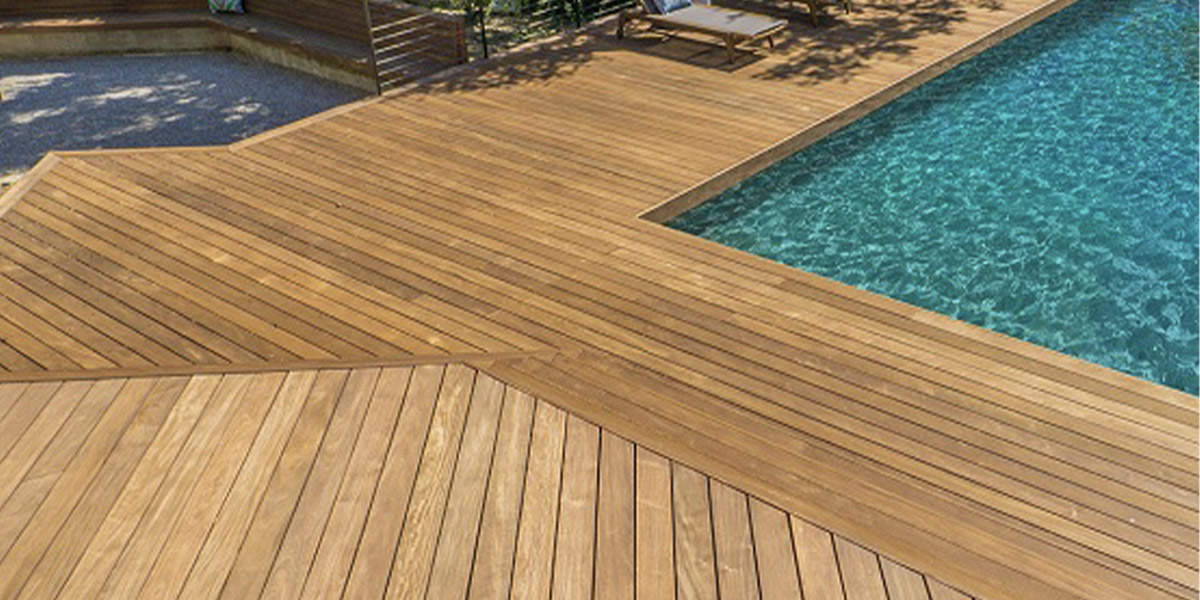
Outdoor wood plastic composite is manufactured using PE plastic combined with wood powder and additives. It successfully overcomes many disadvantages of stone, ceramic tiles, and natural wood, including cracking, warping, moss growth, and color fading.
Its main benefits include:
- Suitable for all weather conditions
- Reusable
- Low maintenance cost
- Slip resistance
- Color durability
- Termite resistance
- Water resistance
- High durability
There are two main types of wood plastic materials:
- PVC-based wood plastic composite, mainly used as a replacement for natural wood in indoor furniture.
- PE-based wood plastic composite, also known as outdoor wood plastic composite, used for exterior construction and landscaping projects.
It is important to understand this distinction because PVC-based wood plastic products may crack or warp if used outdoors for long periods.
As we can see, wood plastic composite has become increasingly popular and is widely applied in many fields. Understanding its properties will help you choose the most suitable material for your needs.
Related articles
- What is heat shrink film?
- Industrial zones in Dong Nai
- How to send goods by post and collect cash on delivery
Explore our products
- 0 Comment


