


 Phan Van Hoang
- 28/02/2020
- 6946
Woven PP bags are widely used in industries such as chemicals, animal feed, fertilizers, food, and more. However, not everyone clearly understands what woven PP bags are, their characteristics, or how they are manufactured. Therefore, in the following article, we would like to provide you with more information to help you better understand woven PP bags and some related aspects.
Table of Contents [Hide]
1. What are woven PP bags?
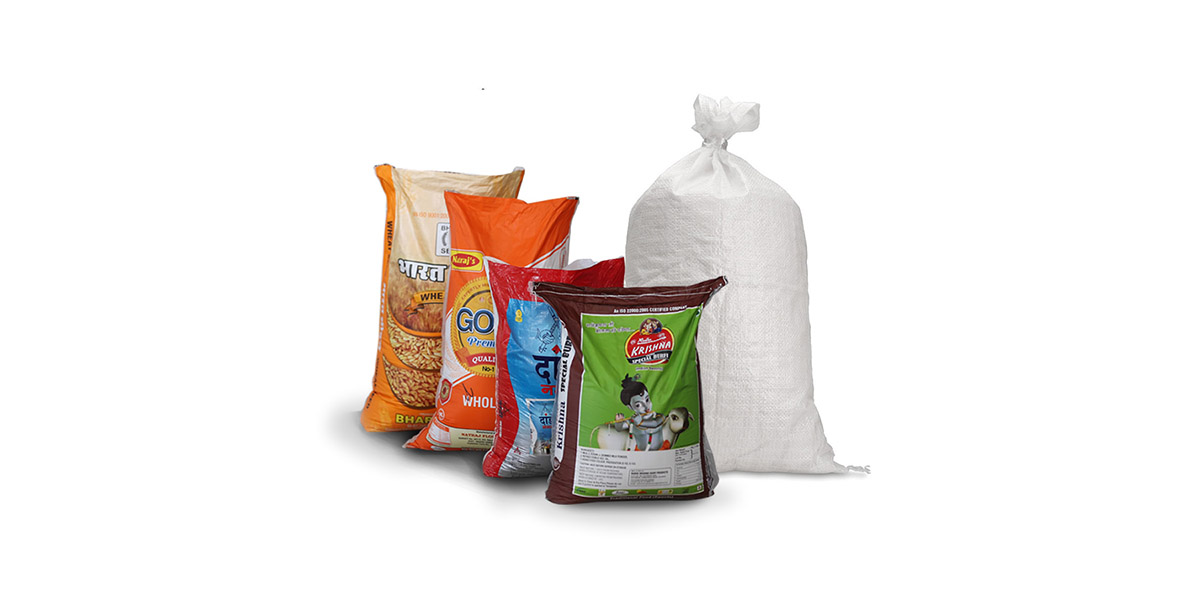
Woven PP bags are also known as PP plastic packaging bags. These bags are made from virgin plastic PP resin. Normally, this resin is not readily available in our country but is imported from countries such as Arabia or Thailand. We can identify woven PP bags by their milky white, translucent color from the plastic resin. In addition, if customers require printed images or patterns, color masterbatch is mixed into the resin to create the desired printing colors.
2. Types of woven PP bags
Currently, woven PP bags on the market are divided into several types, including:
- Regular woven PP bags, mainly used for market goods, without coating or lamination.
- Flexo-printed woven PP bags, consisting of woven PP fabric coated with PP adhesive. This type can be laminated with film or used without film lamination.
- Composite film woven PP bags, made from woven PP fabric laminated with BOPP film printed using gravure printing. This type belongs to the premium packaging line.
- Offset-printed woven PP bags, consisting of Offset-printed Couche paper laminated with BOPP film and then laminated together with woven PP fabric.
- Woven PP bags laminated with Kraft paper and Flexo printed. This packaging is also known as KP packaging or PK packaging.
> See also: Sewing Thread Bag
3. Woven PP bag manufacturing process
The woven PP bag manufacturing process consists of the following stages:
3.1. PP yarn production
Workers feed PP resin into the hopper of the yarn-making equipment. The resin is then drawn into the extruder by the machine's suction force, where it is heated and melted. The plastic melt is pushed through the die by the screw, with the length and width adjusted according to requirements.
After heating, the plastic film is formed and passed through a water bath for cooling and shaping. The film then passes through a cutting blade system to form yarn with a width of 2–3 mm. Next, the heating unit stabilizes the yarn before it is fed into the winding machine, with the yarn size adjusted according to requirements. Yarn waste is cut, crushed, and returned to the extruder.

3.2. PP fabric weaving
After the PP yarn has been produced, the yarn rolls are fed into a 6-shuttle circular loom. Here, the yarn is woven into tubular fabric and wound into rolls of PP fabric.
3.3. PP fabric coating
For woven PP bags that require fabric coating, a forklift is used to transport the PP fabric roll onto the coating machine. PP resin with a thickness of 30 is then coated onto the fabric to increase bonding strength. After the PP fabric is rewound, it is sent for printing. This process helps make woven PP bags more attractive.
3.4. Printing on woven bags
There are various printing technologies used for woven PP bags, but OPP film lamination is commonly used because it is simple and cost-effective.
3.5. Finished product cutting and packaging
Finally, the woven PP roll passes through the side-folding system and is cut into finished products. The bags can be sewn before printing or printed before sewing. At the end of the process, the finished products pass through an automatic conveyor system for counting and bundling. They are inspected once again before being transferred to the warehouse.
4. Technical characteristics of woven PP bags
Woven PP bags have three important characteristics:
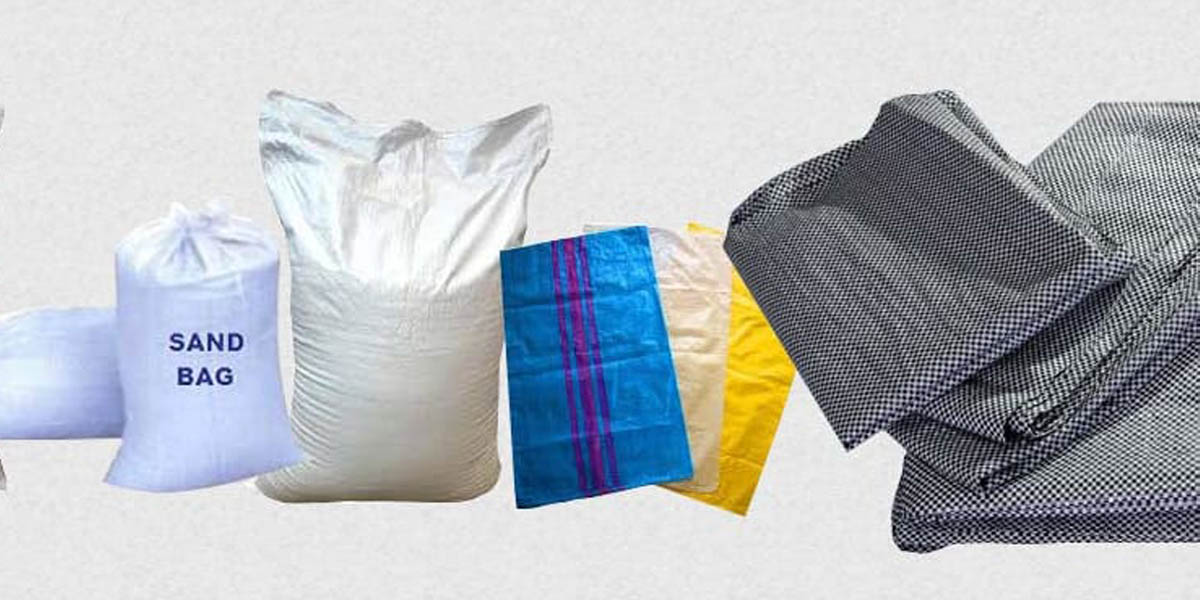
- Very high mechanical strength: Because the product is made from PP resin, which is durable and strong rather than as flexible as PE. In addition, PP resin has a glossy surface that improves printability and helps produce clearer printing.
- Colorless, odorless, and tasteless: Woven PP bags are colorless, odorless, and tasteless, making them non-toxic to users.
- Resistance to water, oxygen, and oil: This helps protect the contents inside and prevents their characteristics from being altered.
5. Applications of woven PP bags
With many advantages and important characteristics, woven PP bags are widely used across different industries, including:
- Used as packaging for agricultural products such as feed, fruits, seafood, vegetables, and more.
- Used as food packaging because they are non-toxic to users and have high bag durability.
- Also applied in technical applications and support for industries such as construction, road projects, ports, and buildings, with functions including drainage filtration, leakage prevention, and isolation.
- Used in the tourism industry to make temporary tents, reusable bags, sunshades, and more. Woven PP bags are highly regarded for their ability to withstand sunny and rainy weather while providing high durability.
- Woven PP bags are also widely used for storing goods in many places, which is why they can easily be found in grocery stores.
- Woven PP bags are also used for flood prevention, such as building dams, riverbanks, railways, and more, thanks to their water-resistant properties.
From the information above, we can conclude that woven PP bags are a common and highly effective packaging product. Therefore, the demand for woven PP bags is becoming increasingly popular.
If you are also looking for a supplier of high-quality woven PP bags with attractive designs and competitive prices, please contact Nam Phat Import Export Investment Co., Ltd. We provide a wide range of woven PP bag products for customers to choose from.
In addition to woven PP bags, we also supply other products such as mesh bags, nylon bags, plastic packaging, and packaging sewing thread. We are confident that you will feel secure and satisfied when working with Nam Phat Import Export Investment Co., Ltd.
- 0 Comment


