


 Phan Van Hoang
- 07/07/2026
- 164
UV radiation is one of the main causes of plastic aging, discoloration, and loss of durability when products are used outdoors. To minimize these effects, UV stabilizer additives (UV stabilizers) are added to materials to slow down degradation and extend product service life. Let’s explore the role and importance of these additives in plastic applications.
Table of Contents [Hide]
What are UV stabilizer additives?
UV stabilizer additives (UV stabilizers) are a group of additives incorporated into polymer materials to minimize the effects of ultraviolet radiation on the molecular structure of plastics. Unlike colorants or fillers, which mainly alter surface characteristics or material cost, UV stabilizers directly interfere with the polymer aging mechanism.
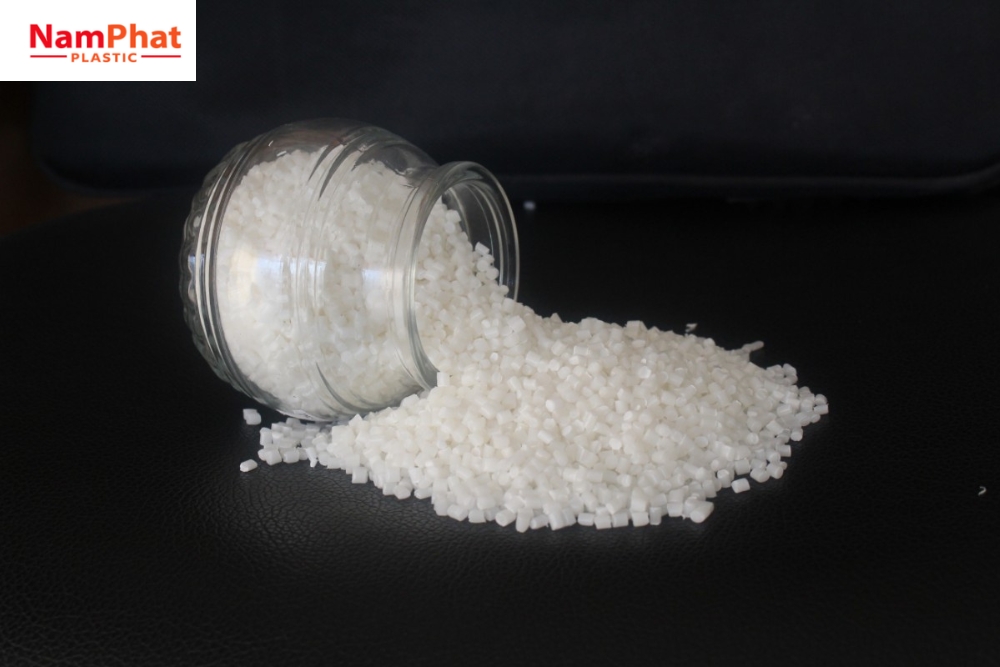
When UV radiation reaches the plastic surface, its energy can be sufficient to break chemical bonds within polymer chains. This process generates free radicals, initiating chain oxidation reactions that reduce molecular weight and damage the material structure.
UV stabilizer additives are designed to interfere with this process through several mechanisms, including:
-
Absorbing UV energy before it affects the polymer.
-
Neutralizing free radicals generated during photo-oxidation.
-
Slowing the degradation rate of polymer chains.
-
Maintaining mechanical properties and aesthetic appearance over a longer period.
As a result, products can maintain their performance even when continuously exposed to sunlight, high temperatures, and outdoor conditions.
How does UV radiation affect plastics?
Many people believe that high temperatures are the main cause of plastic degradation. In reality, heat is only one factor that accelerates the aging process. For many polymers used outdoors, the major damaging factor is ultraviolet (UV) radiation.
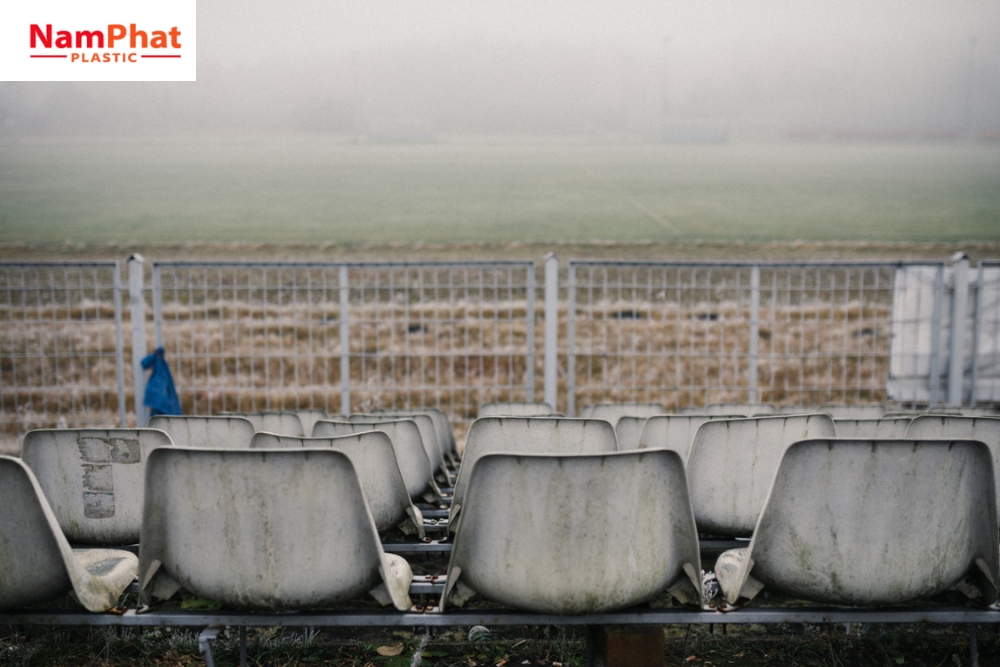
When UV radiation reaches the material surface, its energy can be high enough to break chemical bonds within polymer chains. This process generates free radicals, which then react with oxygen in the air, forming photo-oxidation reactions. Over time, polymer chains become shorter, molecular weight decreases, and the material structure gradually becomes unstable.
This process occurs slowly but continuously. At first, users may notice almost no change. However, after months or years of outdoor exposure, visible signs begin to appear:
-
Colors gradually fade or turn yellow.
-
Surface chalking occurs.
-
Surface gloss decreases.
-
Micro-cracks begin to appear.
-
Impact strength and flexibility decrease.
-
The material becomes more susceptible to cracking or breaking under loads or vibration during use.
In addition, the effects of UV radiation vary among different types of polymers. This depends on several factors, including:
-
Polymer characteristics: PP is generally more sensitive to UV radiation than PE, while PC, ABS, and PVC have different degradation mechanisms and therefore require suitable UV stabilization systems.
-
UV radiation intensity: Areas with high UV radiation intensity accelerate material degradation.
-
Environmental conditions: Temperature, humidity, air pollution, and weather conditions can accelerate degradation.
-
Exposure time: The longer a product is exposed outdoors, the more pronounced the degradation becomes.
-
Geographical location: Tropical regions or areas with high UV indexes generally require stricter material stabilization requirements.
The role of UV stabilizer additives
UV stabilizer additives are incorporated into plastic formulations to improve material stability under ultraviolet radiation. Through UV absorption, inhibition of photo-oxidation, or free-radical neutralization, these additive systems help maintain material performance throughout its service life, specifically by:
-
Slowing polymer degradation: Limiting molecular chain breakage and reducing the rate of structural degradation caused by UV radiation.
-
Maintaining mechanical properties: Helping products retain tensile strength, impact strength, flexibility, and other important mechanical properties throughout their service life.
-
Stabilizing product color and surface appearance: Reducing fading, yellowing, loss of gloss, and surface chalking during prolonged outdoor exposure.
-
Extending service life: Slowing material degradation and helping maintain performance under harsh weather conditions.
-
Improving weather resistance: When combined with antioxidants or heat stabilizers, UV stabilizer additives help materials better withstand the combined effects of light, temperature, and oxygen.
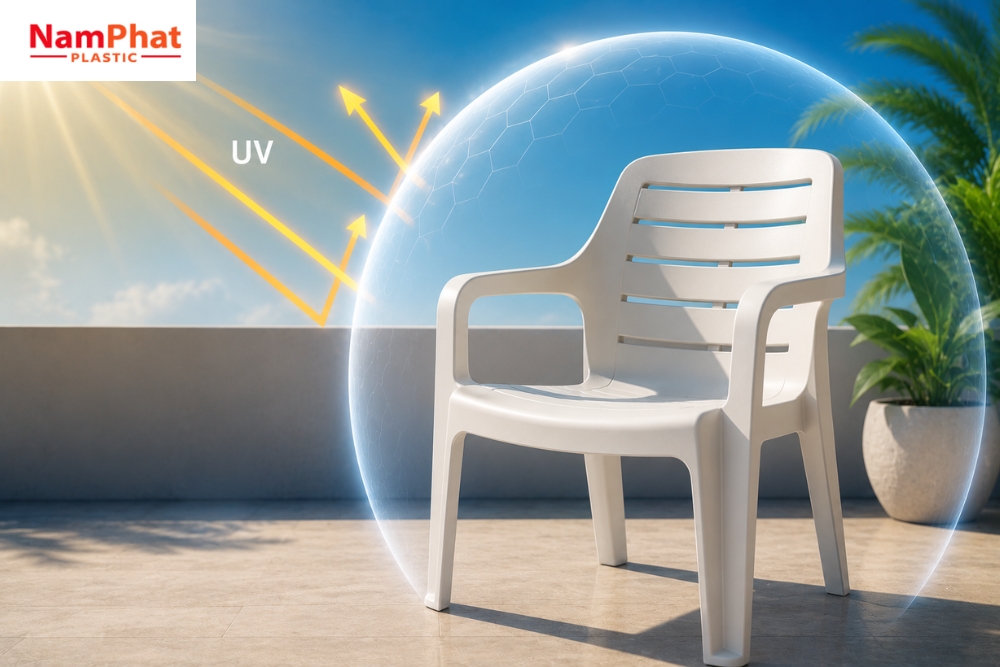
It should be noted that UV stabilizer additives do not completely eliminate the effects of ultraviolet radiation. Their primary function is to slow down material degradation. Protection effectiveness depends on the polymer type, additive system, additive concentration, and actual operating conditions of the product.
Common types of UV stabilizer additives
Depending on their protection mechanisms, UV stabilizer additives can be divided into several groups. Each type has its own operating principle and application range.
-
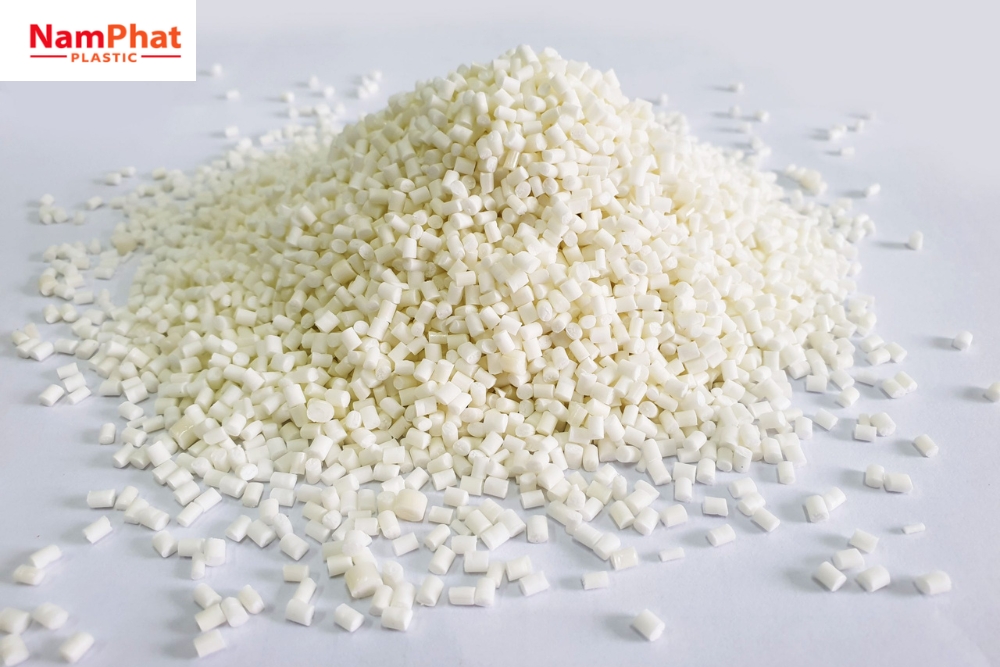
UV absorbers: Absorb UV radiation and convert it into harmless heat energy before the radiation can affect polymer chains. These additives are commonly available in powder, granule, or liquid form and are used for products requiring high transparency, such as polycarbonate sheets, plastic films, and engineering plastics.
-
HALS (hindered amine light stabilizers): Do not absorb UV radiation but neutralize free radicals generated during photo-oxidation, helping extend polymer service life. HALS is commonly supplied in powder, granule, or masterbatch form and is widely used in outdoor plastic products.
-
Carbon black: In addition to providing black coloration, carbon black absorbs and scatters UV radiation, improving material resistance to aging. It is commonly available as fine powder or pellets and is widely used in HDPE pipes, electrical cables, and outdoor plastic products.
-
Quenchers: Absorb energy from excited polymer molecules and release it as heat to limit photo-oxidation. These additives are commonly available in powder or liquid form but are currently used mainly in certain specialized technical applications.
Applications of UV stabilizer additives
Outdoor plastic products
Outdoor plastic products are one of the most common applications for UV stabilizer additives because they are continuously exposed to sunlight, high temperatures, and harsh weather conditions. Without UV stabilization, materials can quickly fade, become brittle, crack, and lose their load-bearing capability.
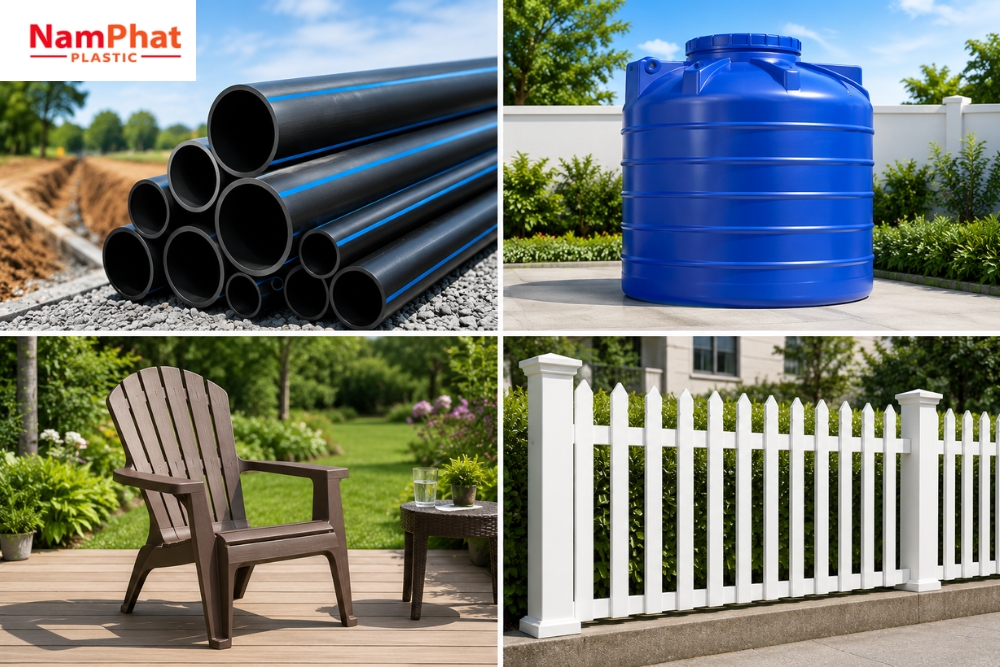
HDPE pipes are a typical example. Water supply, drainage, irrigation, and infrastructure piping systems are often installed outdoors for many years. Adding UV stabilizers helps pipes maintain mechanical strength, reduce cracking, and extend service life under solar radiation.
Plastic water tanks are also frequently exposed directly to UV radiation because they are installed on rooftops or in outdoor areas. UV stabilizers help reduce tank-wall aging, maintain structural rigidity, and lower the risk of cracking after prolonged use.
For garden furniture, fences, and indoor/outdoor furniture products used outdoors, UV stabilizers not only help maintain durability but also reduce fading, keep the product surface stable, and improve aesthetic appearance throughout its service life.
Agricultural packaging and supplies
In agriculture, many plastic products must operate continuously outdoors and withstand sunlight, temperature fluctuations, and harsh weather conditions. Therefore, UV stabilizer additives are used to reduce material aging and extend product service life.
Greenhouse films are a typical application, requiring the ability to maintain strength and light transmission over several years to ensure a stable growing environment for crops. Shade nets are also commonly formulated with UV stabilizers to help plastic fibers retain tensile strength and reduce deterioration or fiber breakage under continuous sunlight exposure.
Meanwhile, agricultural covers used for covering crop beds, agricultural products, or materials in the field can last longer, crack less easily, and maintain their effectiveness over time when formulated with an appropriate UV stabilizer system.
Industrial packaging and logistics
In packaging, many products are stored or transported outdoors, making UV resistance an important factor in material durability.
PP yarn used to weave sacks or jumbo bags (FIBCs) is one of the most common applications. Without UV stabilizers, PP yarn can become brittle, lose tensile strength, and negatively affect the load-bearing capacity of the packaging after prolonged outdoor storage.
PP strapping is also commonly formulated with UV stabilizers, particularly in construction, brick and tile, or material industries where goods may remain in outdoor storage yards for extended periods. The additives help maintain strap strength and reduce breakage when securing goods.
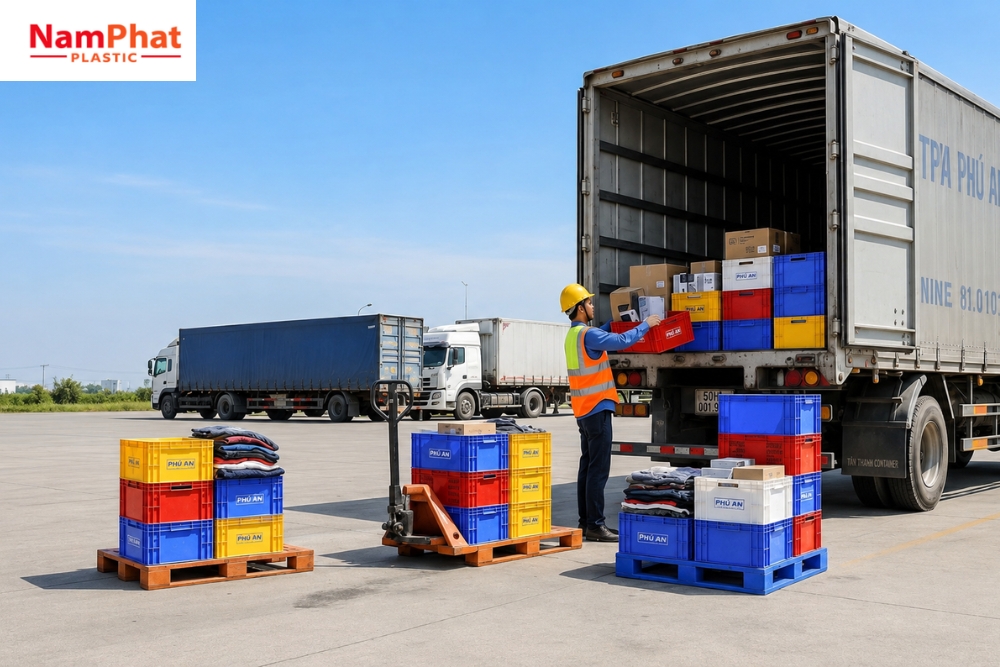
For industrial plastic pallets and containers, UV stabilizers help reduce material aging, maintain impact resistance, and extend service life in outdoor environments.
Automotive and motorcycle components
Plastic components in cars and motorcycles need to maintain both mechanical durability and aesthetic appearance over many years of exposure to sunlight.
Typical examples include bumpers and rear-view mirrors, which are directly exposed to UV radiation. UV stabilizers help reduce fading, surface cracking, and loss of material durability throughout the product life cycle.
For dashboards and interior components located near windshields, solar radiation combined with high temperatures can accelerate plastic aging. Manufacturers therefore often combine UV stabilizers with antioxidants and heat stabilizers to meet stringent requirements for durability and color retention.
When are UV stabilizer additives really necessary? When should they not be used?
Not every plastic product requires UV stabilizer additives. The key considerations are where the product will be used, how long it will be exposed to sunlight, and the required service life.
If a product is used indoors or has very limited exposure to direct sunlight, such as household plastic boxes, storage containers, plastic shelves, or internal equipment components, UV stabilizers are generally unnecessary. In such cases, adding them only increases costs without providing significant benefits.
In contrast, for products that must be placed outdoors, such as HDPE pipes, water tanks, garden furniture, and plastic fences, UV stabilizers are almost an essential component. These applications often prioritize HALS or a combination of HALS and UV absorbers to improve resistance to UV-induced aging. Because they are exposed to sunlight, rain, and harsh weather conditions every day, materials without UV stabilization can quickly fade, become brittle, and crack.
For products used outdoors only for short periods, such as plastic transport containers or pallets stored in outdoor yards for several weeks to several months, UV absorbers or low-level UV stabilization systems may be used according to the actual service period. Simply put, the longer a product must remain exposed to sunlight, the more important it is to invest in an appropriate UV stabilizer system to maintain durability and extend service life.
To make it easier to determine when UV stabilizers should be added, the following table summarizes different groups of plastic products and their level of necessity.
| Product | Is UV protection needed? | Recommended additives | Reason | Notes |
| Outdoor HDPE pipes | ✅ Highly necessary | HALS + carbon black or HALS + UV absorber | Exposed to sunlight for years; prevents cracking and aging | Select according to the designed service life |
| Water tanks | ✅ Highly necessary | HALS + UV absorber | Reduces fading and improves durability | Should be combined with antioxidants |
| Garden chairs and tables | ✅ Highly necessary | HALS | Maintains color and flexibility | Light colors may require additional UV absorber |
| Fences and plastic panels | ✅ Highly necessary | HALS + UV absorber | Protects against outdoor aging | Check compatibility with the color system |
| Agricultural cover films | ✅ Highly necessary | HALS | Extends service life | Select according to agricultural environmental conditions |
| Pallets and plastic containers stored outdoors | ⚠️ Recommended | UV absorber or low-level HALS | Protection is only required for a limited period | Adjust according to storage duration |
| Outdoor toys | ⚠️ Recommended | HALS + UV absorber | Reduces fading and brittleness | Select additives meeting applicable safety standards |
| Household plastic boxes, plastic shelves, indoor components | ❌ Usually unnecessary | None | Limited UV exposure | Use only when regularly exposed to sunlight |
Factors to consider before selecting UV stabilizer additives
Selecting a UV stabilizer system depends not only on its ability to withstand ultraviolet radiation but also on several factors related to the material, operating conditions, and product requirements, including:
-
Plastic type: Each polymer has a different degradation mechanism and UV resistance, so there is no single additive system suitable for every material. The selection must ensure compatibility with the polymer matrix, processing conditions, and target product service life.
-
Designed service life: The desired service period is a basis for determining the type and concentration of additives. For example, a product intended for outdoor use for only several months has different requirements from infrastructure equipment or construction materials that need to maintain performance for many years.
-
Environmental conditions: UV radiation intensity, temperature, humidity, salt spray, and other environmental factors all affect the degradation rate of polymers. Products used in tropical regions, coastal areas, or locations with high UV indexes may therefore require stronger UV stabilization systems.
-
Color and appearance requirements: Some additive systems may affect transparency, gloss, or the color-matching capability of the product. For applications with high aesthetic requirements, UV stabilizers should be selected together with the color system and other additives to maintain stable appearance throughout the product life cycle.
Frequently asked questions
1. Should more UV stabilizer additives be used to increase durability?
No. Using additives above the recommended level does not necessarily provide better UV resistance. On the contrary, excessive dosage can increase costs and affect processing performance or the mechanical properties of the material.
2. When are UV stabilizer additives not necessary?
If a product is used only indoors or has little exposure to sunlight throughout its service life, adding UV stabilizers is generally unnecessary and may create additional costs without significant benefits.
3. How long can UV stabilizer additives extend product service life?
There is no fixed figure. Effectiveness depends on the plastic type, additive system, dosage, and environmental conditions. When properly selected, UV stabilizers can help extend product service life from several years to several decades.
4. Why does a product still fade even after UV stabilizers have been added?
UV stabilizers only slow down the aging process; they do not completely eliminate the effects of UV radiation. In addition, fading also depends on pigment quality, weather conditions, and the duration of sunlight exposure.
5. Can UV stabilizers be combined with antioxidants?
Yes. This is a common solution in the plastics industry because the two types of additives complement each other, helping materials withstand the combined effects of UV radiation, heat, and oxidation, thereby improving overall durability.
6. Does adding UV stabilizer additives significantly increase production costs?
Raw material costs will increase, but the increase is generally small compared with the value provided by the additives. Using the appropriate additive system can extend product service life and reduce maintenance, replacement, and warranty costs during use.
Conclusion
UV stabilizer additives are an important solution for improving the durability and extending the service life of plastic products used outdoors. Selecting the right additive system for each polymer and application requirement helps maintain product quality, aesthetic appearance, and performance throughout its service life.
- 0 Comment


