


 Phan Van Hoang
- 13/04/2020
- 12483
Today, packaging can be classified in many different ways, such as by material, intended use, packaging method, rigidity, and many other criteria. Join us as we explore the common types of packaging used in production and distribution.
Table of Contents [Hide]
1. Classification by intended use
According to their intended use, packaging can be classified into three main categories: transportation packaging, production packaging, and consumer packaging.
What is transportation packaging?
Transportation packaging is designed for storage, handling, and transportation of products throughout the logistics process. Common examples include containers, corrugated cartons, wooden crates, and pallets. Transportation packaging is available in various sizes, ranging from small to large formats, and may be designed for either single-use or multiple-use applications.
Production packaging
Production packaging is used for storing raw materials, semi-finished products, spare parts, and excess materials. It supports warehousing, internal transportation, and product transfers between factories or production departments.
Consumer packaging
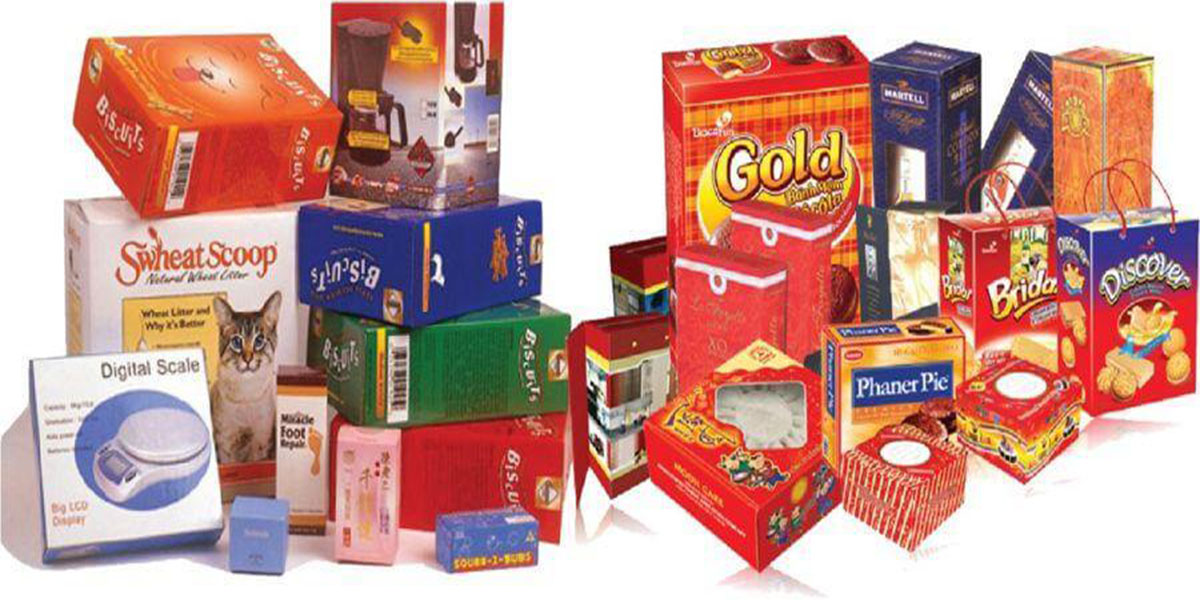
Consumer packaging is used for the sale of products and is considered an integral part of the product itself. The cost of consumer packaging is generally included in the product cost.
Consumer packaging performs the functions of containing and protecting products from environmental factors. Its structure, dimensions, and materials are selected according to the characteristics, shape, and size of the product being packaged.
Since consumer packaging is displayed on retail shelves and ultimately delivered to customers, product information and brand promotion are among its most important functions.
2. Classification by material
Today, packaging materials are highly diverse and include paperboard, corrugated cardboard, plastics, glass, metals, wood, and more.
- Paper packaging: This type accounts for approximately 40–50% of the packaging market. Paper packaging includes paperboard boxes, corrugated cartons, and rigid paperboard gift boxes.
- Paper-based flexible packaging: Because paper is easy to print on, offers good shape retention, and has high rigidity, paper-based flexible packaging is often used as primary packaging for liquids such as milk and fruit juice.
- Paperboard boxes: This category holds a significant market share and is commonly used as secondary and consumer packaging. As a result, it offers a wide variety of designs and styles.
- Corrugated cartons: These paper containers are designed for high strength and are generally used as transportation packaging.
- Paper bags: Due to increasingly strict environmental regulations, paper bags have become an economical alternative to plastic bags in retail stores and supermarkets.
- Flexible packaging consists of bags and pouches made from plastic films. Because plastic films provide excellent moisture, grease, and gas barriers, low cost, chemical resistance, abrasion resistance, and sealability, flexible packaging is widely used as primary packaging for food, cosmetics, pharmaceuticals, and other products.
- Glass packaging: Glass offers excellent barrier properties against moisture and gases, does not react with the contents, can be molded into various shapes, and allows consumers to see the product inside. It is commonly used as primary packaging for liquids and creams requiring long shelf life and high preservation standards.
- Metal packaging: Metal packaging provides excellent durability and sealing performance, making it suitable for products requiring long-term storage. It is commonly used as primary packaging for food and beverages. Metal packaging can be printed directly onto metal sheets before forming.

3. Classification by packaging method
According to packaging methods, packaging can be classified into:
- Vacuum packaging
- Aseptic packaging
- Twist-off packaging
- Shrink film packaging
4. Classification by rigidity
- Rigid packaging: Metal containers, boxes, glass bottles, wooden crates
- Semi-rigid packaging: Corrugated cartons, plastic containers
- Flexible packaging: Paper packaging, plastic packaging, and similar materials
5. Classification by packaged product
- Food packaging
- Cosmetic packaging
- Clothing packaging
- Pharmaceutical packaging
- Alcoholic beverage and drink packaging
- Household product packaging
- Chemical packaging

6. Classification by degree of product contact
- Primary packaging: Packaging that comes into direct contact with the product.
- Secondary packaging: Packaging used to group individual primary packages together.
- Tertiary packaging: Large containers and shipping units that hold multiple secondary packages.
We hope the information above helps you better understand the common types of packaging used in manufacturing and distribution, making it easier to research and select the most suitable packaging solutions.
- 0 Comment


