


 Phan Van Hoang
- 14/04/2020
- 4096
Packaging design should be treated as a project that is carried out systematically and step by step, from defining objectives and gathering necessary information to packaging design, testing, and evaluation. Let’s explore the packaging design process in the following article.
Table of Contents [Hide]
1. Main parameters to consider when designing product packaging
Structural specifications
These include packaging style, dimensions, and materials, along with production methods, packaging methods, storage methods, and solutions to meet special usage requirements.
Graphic design elements
Images, content, layout arrangement on the packaging surface, highlighting advertising messages, and ensuring all necessary information is displayed clearly.
2. What requirements should product packaging design meet?
- Ensure packaging functions: containment, protection, preservation, promotion, and convenience.
- Match the characteristics of the product contained inside.
- Select suitable materials based on material properties, packaging requirements, storage conditions, and transportation conditions.
- Be appropriate for the packaging's position within the overall packaging system.
- Maintain a reasonable packaging cost.
- Enhance marketing appeal and attract customers.

3. Essential information to be displayed on packaging
Product information
- Dimensions and volume of the product inside.
- Whether the product requires internal space, is rigid, or can be compressed.
- Product weight.
- Quantity of products in the package.
- Whether the product is a gas, solid, liquid, powder, or cream.
- Product fragility and required impact resistance during transportation.
- Potential damage from abrasion or collision.
- Sensitivity to moisture and the need for moisture protection.
- Special storage requirements.
- Sensitivity to high or low temperatures.
- Changes in color or properties when exposed to light.
- Chemical properties such as acidity, alkalinity, or chemical reactivity.
Customer information
- Target users: women, men, children, elderly people, or specific user groups.
- Whether the product should be kept out of children's reach.
Marketing information
- Whether it is a new product or part of an existing product line.
- Brand messages displayed on the packaging.
- Consistency with brand identity.
Packaging production process information
- Whether production is manual or automated.
- Whether packaging equipment operates at high or low speed.
Regulatory and legal information
- Storage, transportation, distribution, and usage requirements.
- Environmental conditions such as temperature, humidity, pressure, and sunlight exposure.
- Sterilization methods.
- Potential exposure to chemicals.
- Potential exposure to radiation or electromagnetic waves.
- Potential exposure to microorganisms such as molds.
- Ease of opening and resealing.
- Whether measuring, dispensing, mixing, or extraction functions are required.
4. Selecting packaging style and dimensions
Packaging style selection
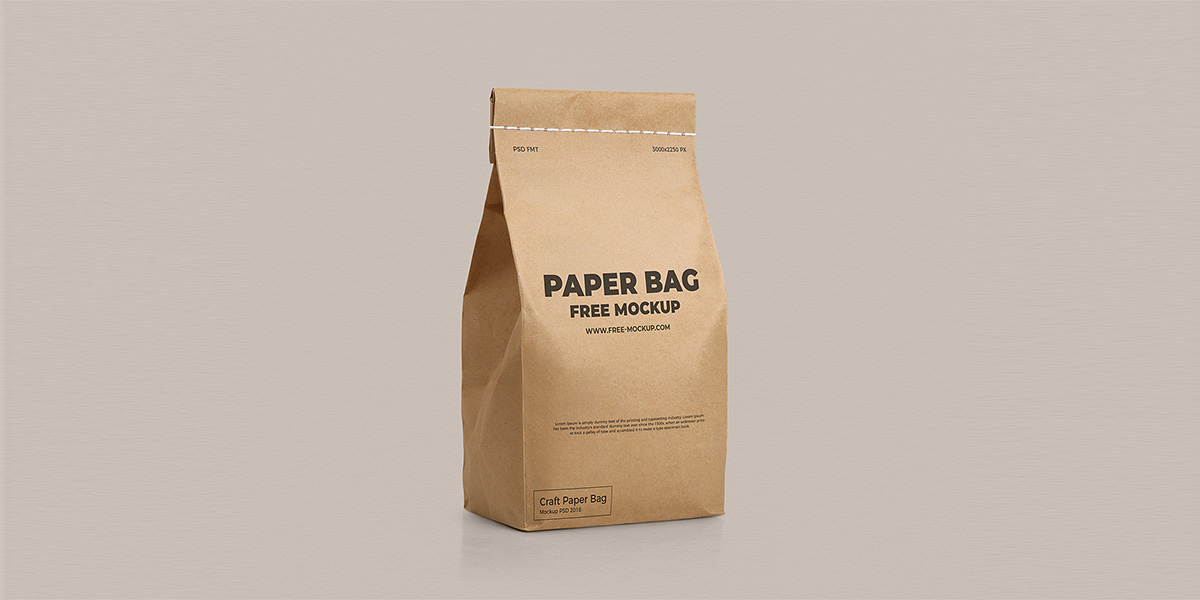
Review various packaging options such as bags, pouches, bottles, jars, folding cartons, and corrugated cartons. For each option, evaluate functionality, compatibility with automated packaging systems, convenience, and overall suitability for packaging requirements.
Packaging dimension selection
- Primary packaging dimensions are determined by product size, volume, and whether the product has a fixed or flexible shape.
- Secondary packaging dimensions are determined by the size and quantity of products packed inside.
- Tertiary packaging dimensions should consider the size and quantity of secondary packages that need to be packed together.
5. Selecting packaging materials
When choosing materials for primary packaging, the most important factors include material properties, compatibility with the product, barrier performance against gases, moisture, and light, as well as sealing capability.
Secondary packaging materials should primarily provide strength and compression resistance.
Tertiary packaging materials are generally used for transportation. Therefore, the most important considerations are load-bearing strength, shock absorption, and resistance to drops and impacts.
- 0 Comment


