


 Phan Van Hoang
- 09/05/2020
- 4954
Cleaning used glass packaging is an effective way to reduce packaging production costs and protect our planet. Manufacturing new glass consumes a significant amount of energy and generates industrial pollution that contributes to the greenhouse effect. Therefore, reusing glass packaging is essential. Let’s learn more about glass packaging cleaning in the following article.
Table of Contents [Hide]
1. Principles of glass packaging cleaning
Glass packaging cleaning mainly involves removing contaminants attached to the outside of the packaging. These contaminants mainly include inorganic compounds and microorganisms that may contaminate the packaging during production and collection.
Characteristics of the glass production process
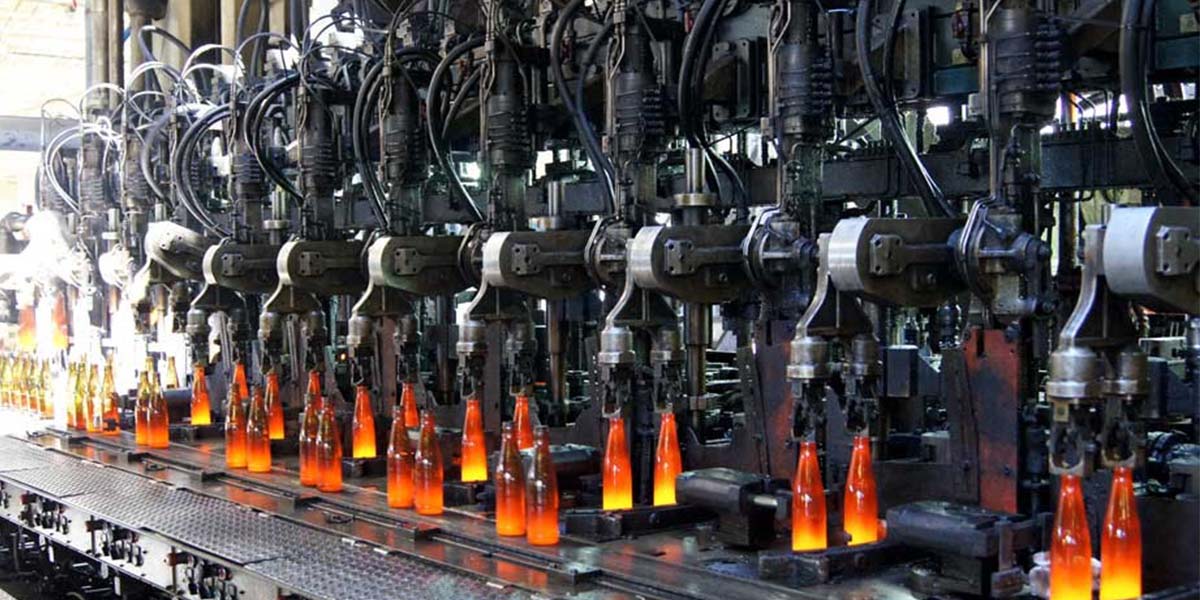
Glass bottles and containers are produced at very high temperatures of ≥1000°C because glass melts at a very high temperature. They are generally manufactured using glass annealing and glass tempering processes.
Glass annealing: After forming, the glass product reaches a temperature of approximately 700–800°C. It is then hot-coated and cooled to 300°C, reheated to 700°C, and slowly cooled to room temperature.
Glass tempering: After forming, the glass product reaches a temperature of approximately 700–800°C. It is then hot-coated and cooled to 300°C, reheated to 700°C, and rapidly cooled to room temperature.
Therefore, whether glass is produced through annealing or tempering, the process is carried out at high temperatures. In addition to supporting glass production, these high temperatures also help limit the attachment and contamination of microorganisms on the packaging surface.
Therefore, if newly manufactured glass packaging is used, there is generally no need to wash the bottles again, or they can be lightly washed with a 1.5% alkaline solution at 60–80°C. The choice depends on the "cleanliness" of the production process and the continuity between bottle manufacturing and the stage at which food is filled into the packaging.
Because cleaning reused glass packaging, especially bottles and jars, is more complex and comprehensive and also covers the cleaning of newly manufactured glass packaging, this article focuses specifically on the cleaning process for glass bottles and containers.
Characteristics of reusable glass bottles and containers
Reusable glass bottles and containers are bottles and containers that have already been used and are put back into use. Therefore, they are generally much "dirtier" than newly manufactured bottles.
The purpose of washing these bottles and containers is to remove most microorganisms and eliminate any materials that may be present inside or on the bottles, such as glass fragments, sand, soil, and old labels that remain attached to the surface.
2. Glass packaging cleaning process

3. Description of the glass packaging cleaning process
The bottles are fed into the bottle washing machine. The operation of the bottle washing machine is as follows: bottles are placed into the conveyor compartments row by row, with approximately 20–30 bottles per row. The conveyor moves the bottles through different washing chambers, with sufficient residence time for the bottles to be thoroughly cleaned. During transportation, the bottles are inverted and continuously sprayed with cleaning water inside. The bottles are washed through the following main stages:
Washing stage 1: Soaking and spraying with water to remove dust. Warm water at 30°C is sufficient.
Washing stage 2: The bottles are conveyed in the reverse direction and inverted to drain all water from inside.
Washing stage 3: The bottles continue into a warm-water tank at 55°C.
Washing stage 4: The bottles are conveyed in the reverse direction and inverted to drain the water.
Washing stage 5: The bottles are transferred into a tank containing a 1.5% alkaline solution at 60°C. The bottles remain in the alkaline solution at 60°C for a sufficient soaking period. At the same time, the paper labels are scraped off, after which the bottles are inverted to drain the solution completely.
A 1.5% NaOH solution is used for washing at high temperature. The role of NaOH in this process is to act on residues and dissolve contaminants on the packaging, such as grease and oil. It also causes dried residues to swell and soften.
The temperature accelerates physicochemical reactions and improves the wetting rate. The bottles are therefore cleaned through both the chemical action and thermal action of the cleaning solution.
Washing stage 6: Repeat stage 5 at a temperature of 80°C.
Washing stage 7: The bottles are washed with clean water at 60°C and inverted to drain the water completely.
Washing stage 8: The bottles are thoroughly washed in a 50°C water tank and inverted to drain the water.
Washing stage 9: The bottles are then washed with clean water at 30°C containing 2 ppm chlorine and are drained or dried.
Choosing between draining and drying
- If the glass bottles have not yet been filled with food that will undergo pasteurization, simply draining the bottles is sufficient.
- For bottles containing food products that do not undergo pasteurization after filling, the bottles must be dried at 115°C for 15 minutes before the food is filled into them.
Notes
The temperature increase and decrease should be controlled as follows: when the bottles are heated to a higher temperature, the temperature difference should be limited to 42°C; when the temperature is reduced, it can be lowered in steps of 28°C (Δt = 28°C).
Normally, if glass bottles have just left the bottle washing machine and are immediately filled with a cold solution, they may crack or break due to thermal shock.
The bottle washing time in the machine is approximately 15–20 minutes.
- 0 Comment


